Snacking isn’t the problem. Mindless snacking is.
Most of us don’t “fail” because we ate a snack. We drift because we grab whatever is closest, eat straight from the packet, and only notice the damage after.
A healthy snack station fixes that. It makes smart choices the easiest choices. And when you pair it with bento-style portioning, you get the best of both worlds: variety and control.
This setup works if you’re feeding kids after school, trying to hit protein goals, or simply tired of opening the fridge 12 times a day.
Why bento-style snacking works so well
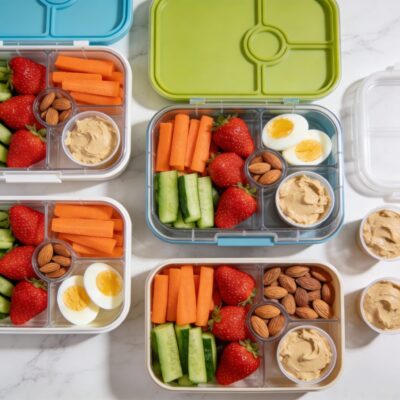
Bento-style means one container, multiple compartments, pre-portioned. It’s not a diet trick. It’s a structure trick.
Here’s why it’s so effective:
-
It removes decision fatigue (“What should I eat?” becomes “I’ll grab a box.”)
-
It naturally limits overeating without feeling restrictive
-
It encourages balance (protein + fiber + crunch + something fun)
-
It makes snacks feel like mini-meals, not random bites
And for families, it’s a game-changer. Kids love compartments. Adults love not thinking.
Step 1: Pick a “snack zone” and make it obvious
Don’t try to “eat healthy” across your entire kitchen. Create one visible, easy-to-reach area.
Choose one of these:
-
A dedicated fridge shelf (best for fresh items)
-
A counter tray/basket (best for fruit and shelf-stable snacks)
-
A drawer/bin in the pantry (best for grab-and-go packs)
Keep it simple. One zone is enough. The goal is to reduce friction, not create a new project.
Step 2: Use the right containers (the boring part that matters)
You don’t need fancy. You need consistent.
Look for:
-
3–5 compartment bento boxes for balanced snacks
-
Small round/rectangular containers for dips, yogurt, nuts
-
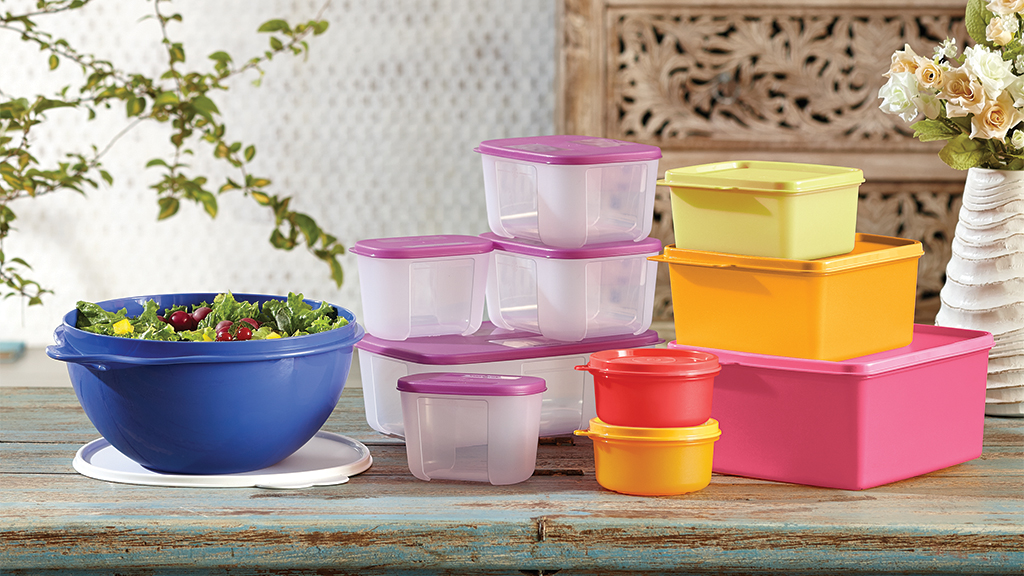
Clear containers when possible (out of sight often becomes out of mind)
If your containers all stack neatly, you’ll actually keep using them. If they’re mismatched and annoying, the system collapses by Day 4.
Step 3: Choose your “portion templates” (so you’re not guessing)
Here’s an easy way to portion snacks for different goals. Use the template that fits the person and time of day.
Template A: Family everyday snack (balanced + filling)
-
1 fruit or veggie
-
1 protein or dairy
-
1 crunchy carb
Example: apple + yogurt + a few whole-grain crackers.
Template B: Fitness fat-loss friendly (higher protein, higher fiber)
-
1–2 protein portions
-
1 high-fiber produce portion
-
1 small “enjoyment” portion (optional)
Example: cucumber sticks + hummus + boiled eggs + 2 squares dark chocolate.
Template C: Muscle gain / active days (more carbs, still controlled)
-
1 protein
-
1 carb
-
1 fruit
-
1 fat (small)
Example: paneer cubes + banana + roasted chana + a spoon of peanut butter.
One simple rule: if it’s a snack that regularly turns into a meal, it needs more protein and fiber.
Step 4: Stock your snack station with “mix-and-match” ingredients
The easiest snack station is built like a playlist. You don’t need 50 items. You need a few reliable options that combine well.
Fresh “base” items (choose 4–6 weekly)
-
Apples, bananas, oranges, grapes
-
Cucumbers, carrots, bell peppers
-
Cherry tomatoes
-
Seasonal fruit (whatever looks best)
Protein anchors (choose 3–5)
-
Greek yogurt or hung curd
-
Boiled eggs
-
Paneer cubes
-
Roasted chana
-
Nuts (almonds, pistachios, peanuts)
-
Chicken slices (if you eat non-veg)
Protein is the glue that keeps snack cravings from spiraling into a second snack.
Crunchy + carb options (choose 3–5)
-
Whole grain crackers
-
Makhana (roasted)
-
Popcorn (air-popped or lightly seasoned)
-
Oats-based bites
-
Toast pieces / mini rotis (for dip-style boxes)
Dips and “flavor boosters” (choose 2–4)
-
Hummus
-
Peanut butter
-
Mint-curd dip
-
Salsa
-
Cheese spread (small portions)
Flavor matters. When snacks taste good, you stop hunting for “something else.”
Step 5: Set up “grab levels” for kids vs adults
If you have kids at home, this step saves your sanity.
-
Put kid-friendly boxes at eye level (fruit, cheese cubes, simple dips)
-
Put adult goal-based boxes higher or in a separate bin (higher protein, lower sugar)
-
Keep “sometimes snacks” in a different place (not in the snack zone)
This isn’t about restriction. It’s about making daily choices automatic.
Step 6: Build 3 bento snack combos you repeat every week
People don’t need endless variety. They need defaults. Create a few “house specials” that you rotate.
Here are some reliable combos.
Combo 1: The school-and-work classic
-
Apple slices
-
Peanut butter (small cup)
-
A handful of roasted chana
Filling, portable, no mess.
Combo 2: Cool and creamy
-
Greek yogurt / hung curd
-
Berries or banana slices
-
Nuts or granola (small portion)
If weight loss is your goal, keep granola minimal. It’s tasty but calorie-dense.
Combo 3: Savory crunch box
-
Cucumber + carrot sticks
-
Hummus or mint-curd dip
-
Whole grain crackers or makhana
This one crushes evening “chips cravings.”
Combo 4: High-protein mini meal
-
Boiled eggs or paneer cubes
-
Cherry tomatoes
-
A few olives or nuts
Great for post-workout or late afternoon hunger.
Combo 5: Indian comfort bento
-
Sprouts salad (lightly seasoned)
-
A fruit portion
-
Makhana or roasted peanuts
Quick, familiar, and easy to prep in bulk.
Step 7: Do one weekly prep + one midweek refresh
The snack station shouldn’t steal your weekend. Keep it light.
Weekly prep (20–30 minutes)
-
Wash and dry fruits/veggies
-
Cut 2–3 items (like carrots, cucumbers, watermelon)
-
Boil eggs or prep paneer cubes
-
Portion dips into small containers
Midweek refresh (10 minutes)
-
Restock fruit
-
Refill nuts/roasted chana
-
Make 2–3 fresh bento boxes again
If you wait until everything runs out, you’ll default back to biscuits and namkeen.
Portion control tips that don’t feel like dieting
Bento-style portioning should feel freeing, not stressful.
Try these:
-
Use smaller compartments for calorie-dense foods (nuts, cheese, peanut butter)
-
Fill the biggest compartment with produce
-
If you want a treat, portion it into the tiniest compartment and move on
-
Don’t snack straight from the packet. Pre-portion once, enjoy many times
One quiet benefit: when your snack has a clear “end,” your brain registers satisfaction faster.
Snack station mistakes (and easy fixes)
Mistake 1: Only “healthy” but not tasty
Fix: add dips, seasoning, and a small sweet option sometimes.
Mistake 2: Too many complicated recipes
Fix: stick to assembly-style snacks. Cut, portion, pack.
Mistake 3: No protein in the station
Fix: add 2–3 protein anchors every week. Yogurt, eggs, paneer, roasted chana.
Mistake 4: Everything is hidden
Fix: keep the snack zone visible and uncluttered. Clear containers help.
A simple starter plan (copy-paste friendly)
If you want to start today, do this:
-
Pick 2 fruits: bananas + apples
-
Pick 2 veggies: cucumbers + carrots
-
Pick 2 proteins: Greek yogurt + roasted chana
-
Pick 1 dip: hummus or mint-curd
-
Pick 1 crunchy: whole grain crackers or makhana
-
Prep 6 snack boxes (3 for kids, 3 for adults)
That’s it. You’ll feel the difference in a week because the system does the work, not willpower.